Words spoken by the Commander of a Disaster Management Agency in northern Europe, when he questioned our ability to deliver audio and data connectivity, and human tracking, from a disused underground train station, 5 levels below ground (at a depth of 25 metres).
We accepted the challenge…..and here are the results!
Mesh technology is ideal for disaster management agencies as they “bring their own network” to locations where communications infrastructure typically is unavailable. This could be to the site of an earthquake, or an underground train collision, or a road tunnel accident, or a terrorism incident where the authorities have shut down the cellular network.
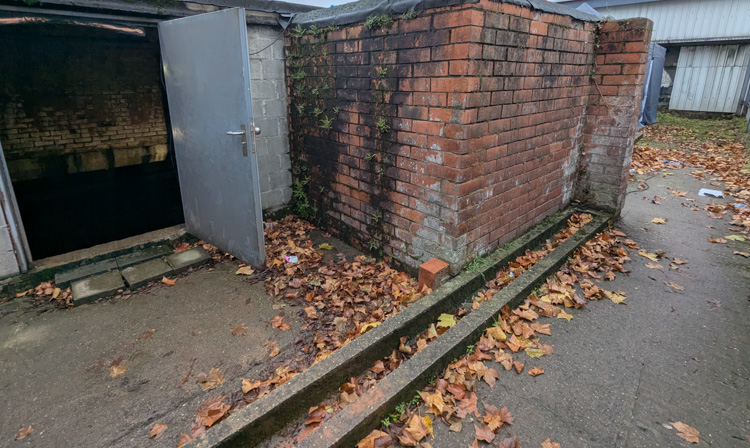
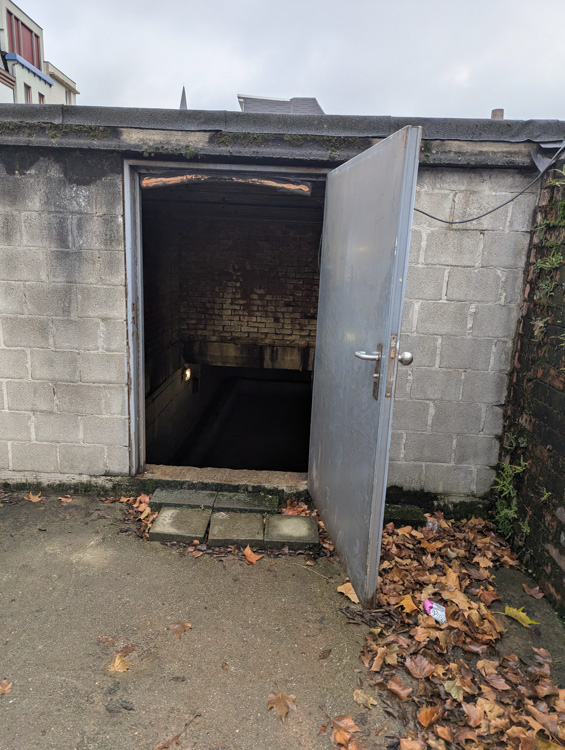
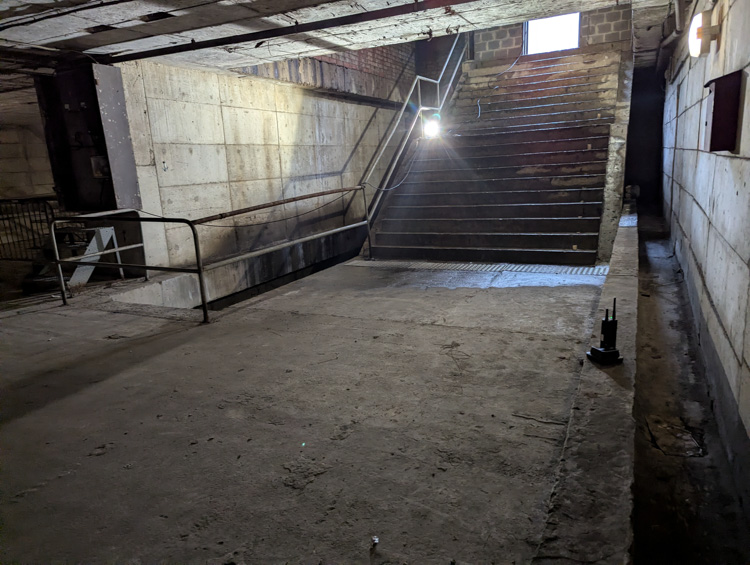
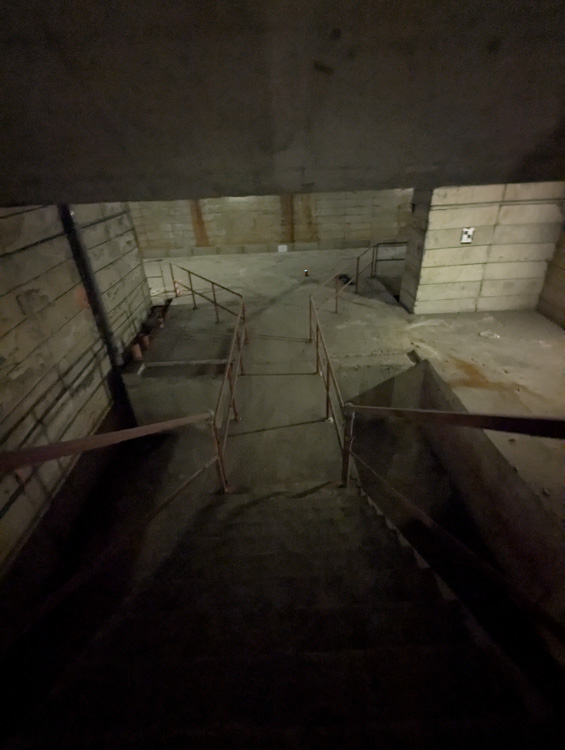
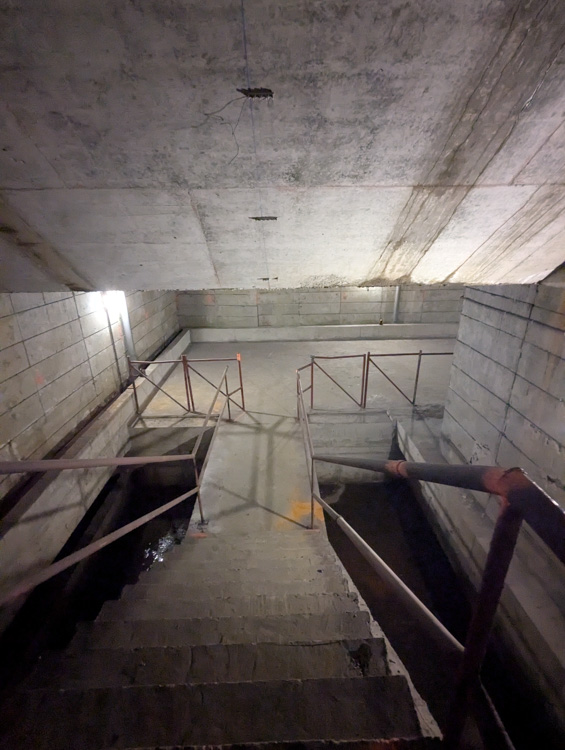
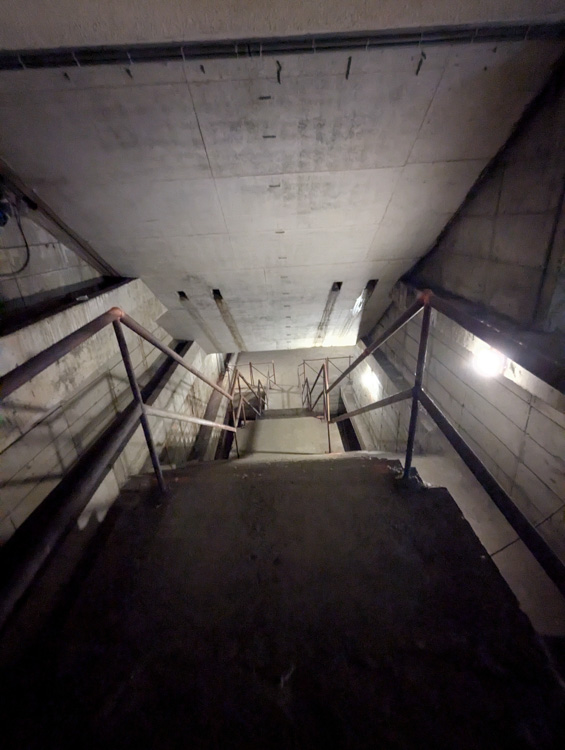
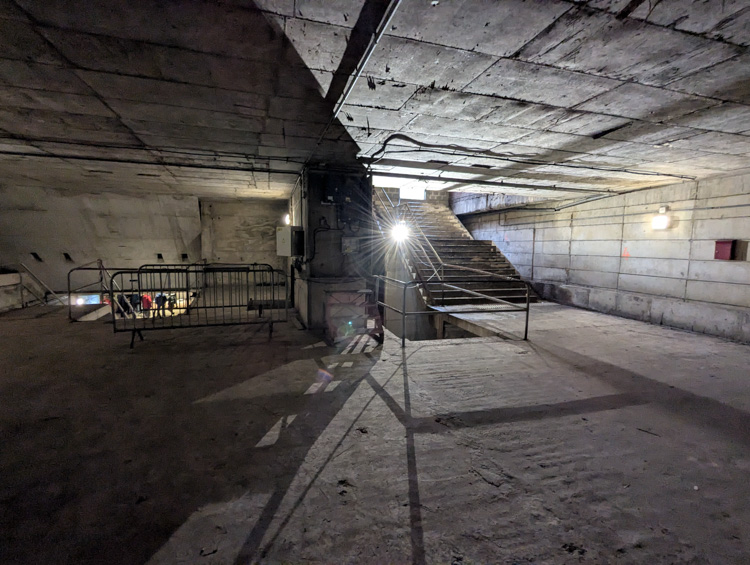
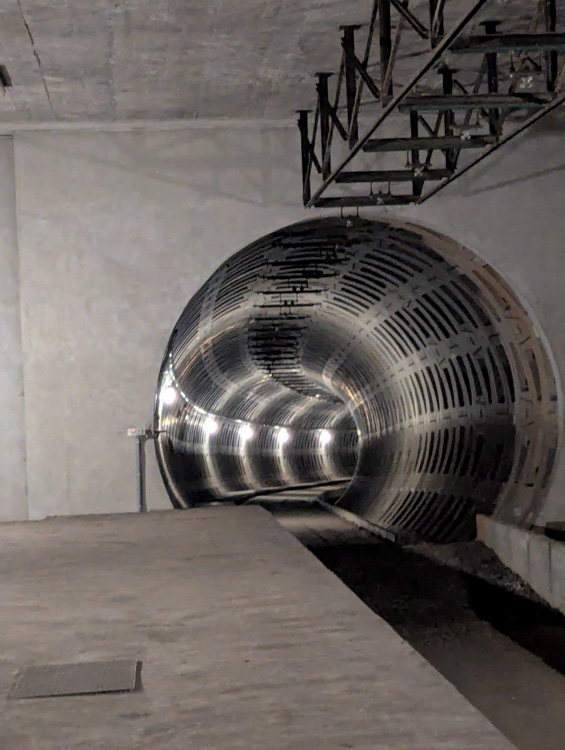
In this instance, the exercise was to simulate a disaster in a train tunnel, half-way between two train stations, at a distance of 300 metres along the train tunnel, with the platform located 25 metres below ground. The five different levels involved many right-angle turns to descend stairs. This site is a regular training location for underground rescue and the agency’s DMR radios cease to function before the user reaches the train platform at the fifth level.
The challenge was to deliver audio and data (tracking PLI data) to the Command Post on the surface, outside the entrance to the station. In addition, they wanted to backhaul the network to their HQ via unified communications system. When we asked if they would like to also stream live video from the incident, they just laughed at the idea, believing it impossible in their experience.
There were six domestic agencies in attendance and two agencies from neighbouring countries, a mixture of Search & Rescue, Counter Terrorism, Civil Defence, Military and Law Enforcement, as well as the operator of the train network.
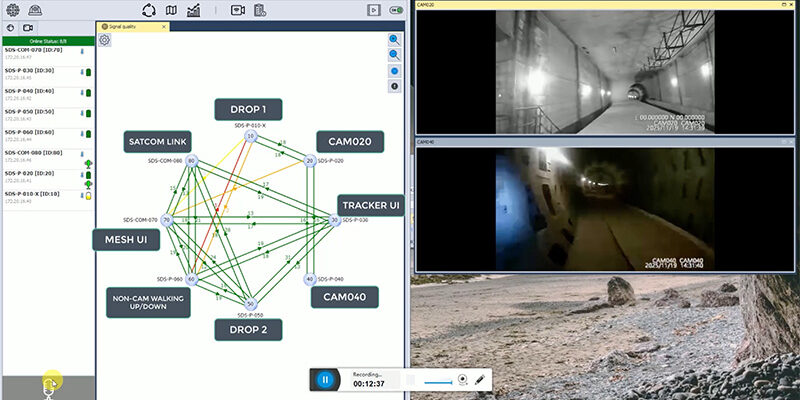
We established a Command Post inside a temporary tent structure with our Unified Communications vehicle close by. Two GUIs were set up, one to display the Mesh network status, video stream, and GPS (for the Mesh radios on the surface) and a second to display the real-time live tracking data (over three axes X/Y/Z). This utilised four of our Mesh radios. A further three of our small, hand-held, battery operated PTT Mesh radios were dropped on the way down the stairs as we witnessed low SNRs on our network status app running on our mobile devices. The RF output power of these radios is a single 500mW transmitter, with dual diversity receiver, and zero DB gain antennae.
All of our body-worn/hand-held Mesh radios have integral Wi-Fi access allowing ease of connectivity for apps running on user’s mobile devices. The ease of determining network status on the move, and the easy placement of radios as relays “on the move” was perceived a major benefit to operations.
During this part of the exercise, audio communications was clear and reliable, using the integral PTT Audio function of the radios. Live tracking data, generated by our Thesia Human Indoor Tracking system, allowed the Commander to see the location of his personnel, as they moved deep below ground, something never before achieved.
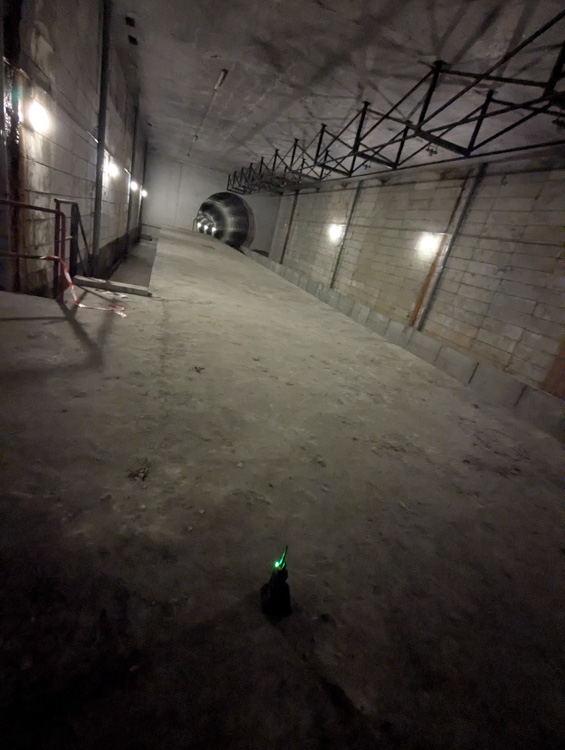
Upon reaching the lowest level (the train platform) the most significant element of the challenge for the end user, communications along the tunnel, began. The tunnel curves to the right after about 50 metres so the user with the mobile Mesh radio was out of line-of-sight very quickly.
Not only did we meet the objective of reliable, uninterrupted audio and data communications, human tracking, at the half-way point along the tunnel, but we kept delivering as the user walked 600 metres to the next station and then up three levels to the ticket lobby level at the next station, with no relay radios in the tunnel; no relay between the mobile radio and the next radio at the platform level of the first station.
The network was operating at 5MHz bandwidth, easily accommodating the PTT audio and the 23kbps of Thesia tracking data. We then suggested that we use a body-worn camera to stream live video of the track back to the surface. Our SVBCAM camera is a Wi-Fi IP camera, and the stream was configured at 2mbps of live video, delivering excellent quality.
Much to the end user’s amazement, and delight, we delivered unbroken live audio, video and tracking data along the exact same path as the previous audio/data transmission.
We believe that our implementation of the COFDM modulation scheme, with a token passing network management algorithm, and our unique DSP (Digital Signal Processing) proves that the Sovereign Systems mMesh is unrivalled in it’s below ground performance.
When coupled with our body-cameras, Thesia indoor tracking, and our unified communications backhaul, we deliver and support a holistic solution to ensure the safety of any first responder whose operations take them into a hazardous environment such as tunnels, collapsed structures, earthquake sites and more.